

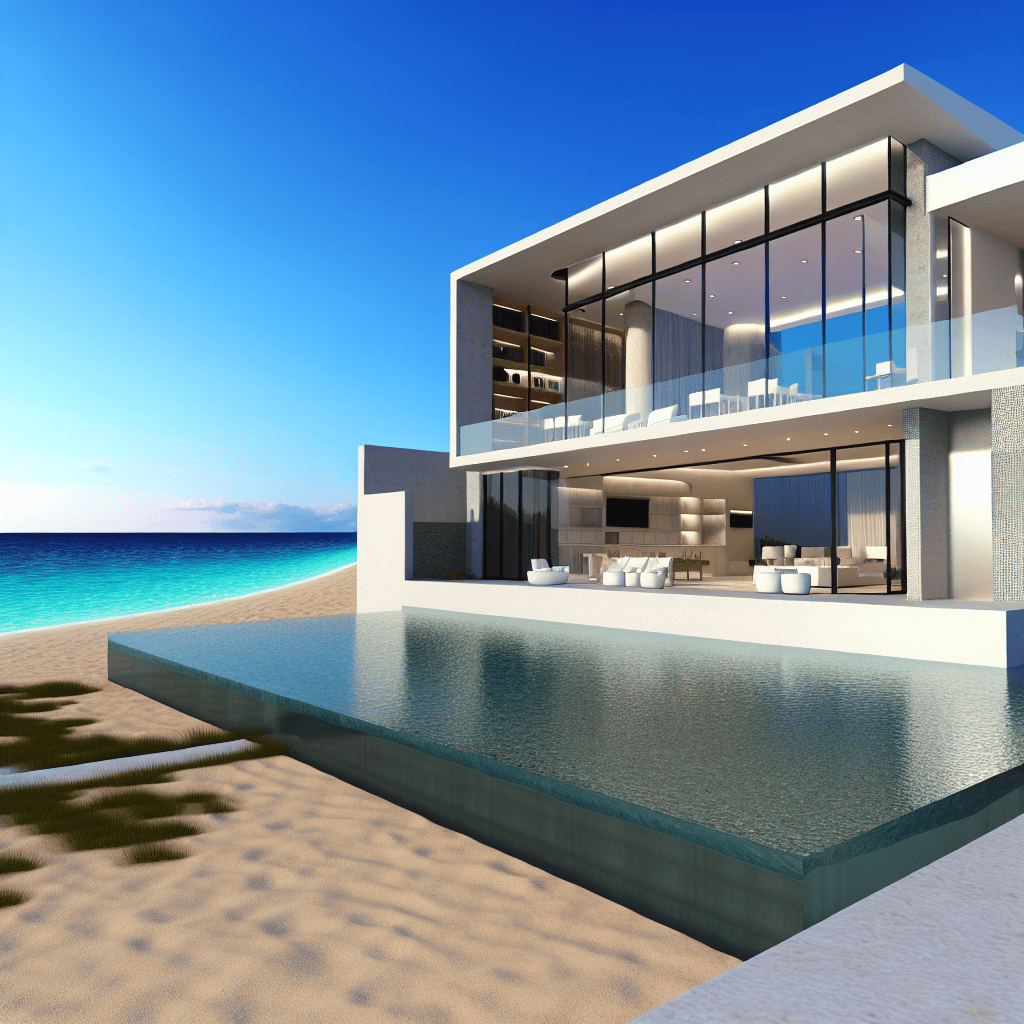
Los Cabos, Mexico, is a captivating blend of natural beauty, exclusivity, and an enviable lifestyle. Nestled at the tip of the Baja Peninsula, this gem is emerging as one of the leading LUXURY real estate destinations in the world. Among its most sought-after enclaves are the exquisite homes in Cabo Real, where stunning pools serve as the centerpiece of LUXURY living. The allure of these homes extends beyond mere aesthetics; they embody a lifestyle characterized by comfort, elegance, and leisure. Whether you are seeking a primary residence or a luxurious vacation retreat, Cabo Real homes offer a unique opportunity to indulge in a life of opulence.
The Allure of Cabo Real: A Premier Destination for LUXURY Living
Cabo Real is synonymous with prestige. This master-planned community beautifully balances natural landscapes with modern architecture. Lush golf courses, panoramic ocean views, and serene beaches create an environment that attracts discerning buyers from all over the globe. The selection of Cabo Real homes with pools exemplifies this perfect harmony, presenting buyers with unrivaled versatility for both entertaining and relaxation.
Architectural Excellence
Each home within Cabo Real showcases stunning architectural designs that blend seamlessly with the picturesque surroundings. The generous use of glass, open floor plans, and high ceilings create an inviting atmosphere, enhancing the feeling of spaciousness. Moreover, many of these designs incorporate eco-friendly elements, reflecting a commitment to sustainability. The meticulous attention to detail in these Cabo Real homes with pools shines through in every corner:
- Infinity Pools: Offering breathtaking views of the Sea of Cortez.
- Outdoor Living Areas: Perfect for entertaining or unwinding with family.
- Lush Gardens: Designed to offer privacy and natural beauty.
Unmatched Amenities
Living in Cabo Real means having access to some of the finest amenities imaginable. Residents can enjoy:
- World-class golf courses designed by renowned architects
- Private beach access
- Exclusive club memberships, enhancing social and recreational experiences
These amenities elevate the lifestyle experience, making each day feel extraordinary. For those interested in the vibrant local community, nearby towns such as San José del Cabo and Cabo San Lucas offer gourmet dining, boutique shopping, and a lively nightlife.
The Lifestyle: Embrace the Magic of Los Cabos
Living in Los Cabos is about experiencing a lifestyle steeped in LUXURY and leisure. The beautiful weather, with over 350 sunny days a year, invites you to partake in numerous outdoor activities. Whether you fancy a lazy afternoon by your private pool or an adventure-filled day exploring the magnificent coastline, Cabo Real homes with pools provide the perfect sanctuary for relaxation.
Water Activities and Outdoor Adventures
If you’re a fan of water activities, the Sea of Cortez is your playground. Enjoy:
- Whale watching from December to April
- Fishing tours
- Diving and snorkeling to explore vibrant marine life
The rich aquatic life and stunning underwater landscapes make for unforgettable experiences. Embracing the outdoor lifestyle is a key component of living in Cabo Real, where each day offers new adventures waiting to be discovered.
Culinary Delights and Social Scene
The culinary scene in Los Cabos is another exceptional facet of living in this paradise. With a mix of traditional Mexican flavors and international cuisine, the local restaurants offer something for every palate. From casual beachside eateries to upscale dining experiences, the options are plentiful.
Moreover, the vibrant social scene draws visitors and locals alike. Exclusive events, art shows, and live music performances frequently take place in and around Cabo Real, fostering a strong sense of community among residents.
Your Dream Home Awaits
With the dreamy lifestyle that accompanies Cabo Real homes with pools, it’s no surprise that these properties are in high demand. Each listing represents an opportunity to invest in LUXURY and exclusivity. From contemporary villas to Mediterranean-style estates, the diversity of architectural styles ensures that there’s a perfect fit for every taste.
If you’re intrigued by the possibility of owning a property in this exquisite location, consider exploring the offerings at Cabo Real Properties. This platform is designed to help you navigate the LUXURY real estate market effectively.
Work with Experts for a Seamless Experience
The journey of buying a LUXURY home should be as enjoyable as living in it. That’s where professional guidance becomes invaluable. Working with Ronival LUXURY ensures you have access to expert advice tailored to your needs, making your transition into LUXURY living smooth and rewarding. Their expertise can guide you through every step of the process, from property searches to negotiations.
In Conclusion
Cabo Real homes with pools represent more than just real estate; they embody a luxurious lifestyle characterized by beauty, comfort, and adventure. Whether you are looking to invest in a second home or retire in paradise, these exceptional properties offer an unparalleled experience. Explore the listings today or contact Ronival LUXURY for personalized assistance in finding your dream home in the enchanting Los Cabos region. Your LUXURY escape awaits!

Looking for more exclusive real estate in Los Cabos?
Explore our top-tier communities with
Ronival LUXURY.
Discover properties in
Palmilla,
Querencia,
Puerto Los Cabos,
Club Campestre,
Cabo Del Sol,
Cabo Real,
Pedregal,
Diamante, and
Quivira.